Children’s Camps: Spaces of Belonging, Learning, and Leadership
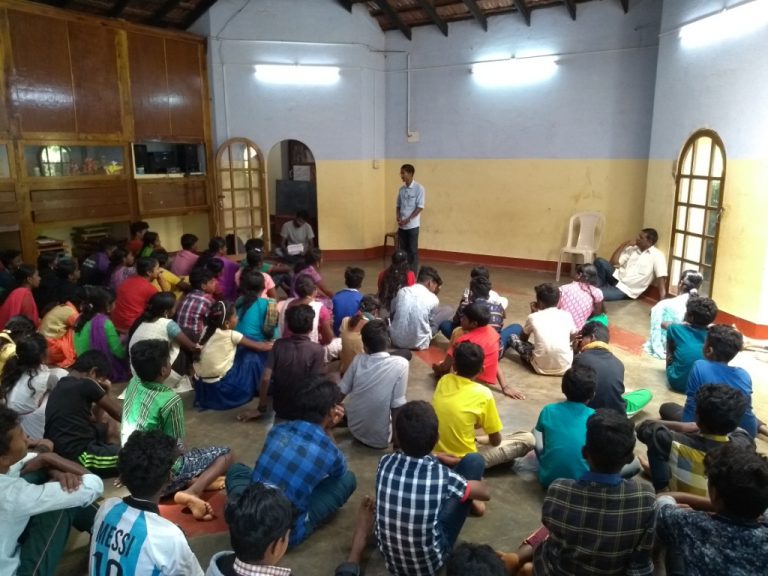
Children’s Camps are a vital component of VBVT’s multi-tiered education strategy. These camps bring together adolescents from multiple villages to engage in collaborative learning, cultural sharing, and reflective exploration. They serve as bridges, connecting children across geographies and identities, and fostering a sense of collective belonging and shared purpose.
Camps are not merely periodic gatherings. They are intentional learning spaces where children explore ideas, express themselves creatively, and connect deeply with their cultural roots. Through sessions on life skills, children’s rights, storytelling, traditional arts, and ecological knowledge, camps nurture holistic development and critical thinking. Adolescents are supported to articulate their experiences, reflect on their learning journeys, and begin seeing themselves as contributors to their communities.
These camps also act as formative leadership platforms. Youth facilitators, often graduates of VBVT’s teacher training program, play central roles in designing and running the camps. Their presence models possibility, inspires younger children, and sustains a cycle of peer-led learning. Community members, especially mothers and elders, are also invited to participate, ensuring cultural continuity and intergenerational dialogue.
Camps are grounded in VBVT’s belief that learning happens in relationship. The deep bonds formed during these gatherings strengthen children’s motivation and ownership over their education. They also reaffirm VBVT’s core commitment: that meaningful education must emerge from within the community, be rooted in identity, and empower children to navigate both their home world and the wider world with dignity.